Recap & Confidence Checkpoint
Quick recap of Sessions 1 and 2: definitions, handling, traceability, dashboards, decisions.
Clearer?
What feels clearer after Sessions 1 and 2?
Still fuzzy?
What still feels uncertain or under-defined?
Hardest?
Definitions, handling, traceability, dashboards, or communicating a recommendation?
Poll, chat, or voice: all good.
Session 3 Learning Goals
Check claims
Run plain-English checks before over-claiming from small or noisy numbers.
Govern AI exhaust
Recognise prompts, retrievals, transcripts, and summaries as a governed data layer.
Map the estate
Use a metadata-first, proportionate ladder for spreadsheet and document sprawl.
Separate governance
Tell governance apart from surveillance using purpose, notice, proportionality, access, and retention.
Find truth
Design root guides so humans and approved AI tools find the source of truth, not the stale copy.
Communicate
Produce traceable, decision-ready output in the capstone.
AI Exhaust = the data debris of AI use
Every AI interaction leaves a trail: "AI exhaust" or "AI debris".
Prompts
What people asked, and the shape of the work they were trying to do.
Retrieved context
Which files, records, or snippets the assistant pulled into the answer.
Audit logs
Who used the tool, when, and under what access pattern.
Transcripts
Chat history, file references, generated summaries, and follow-up prompts.
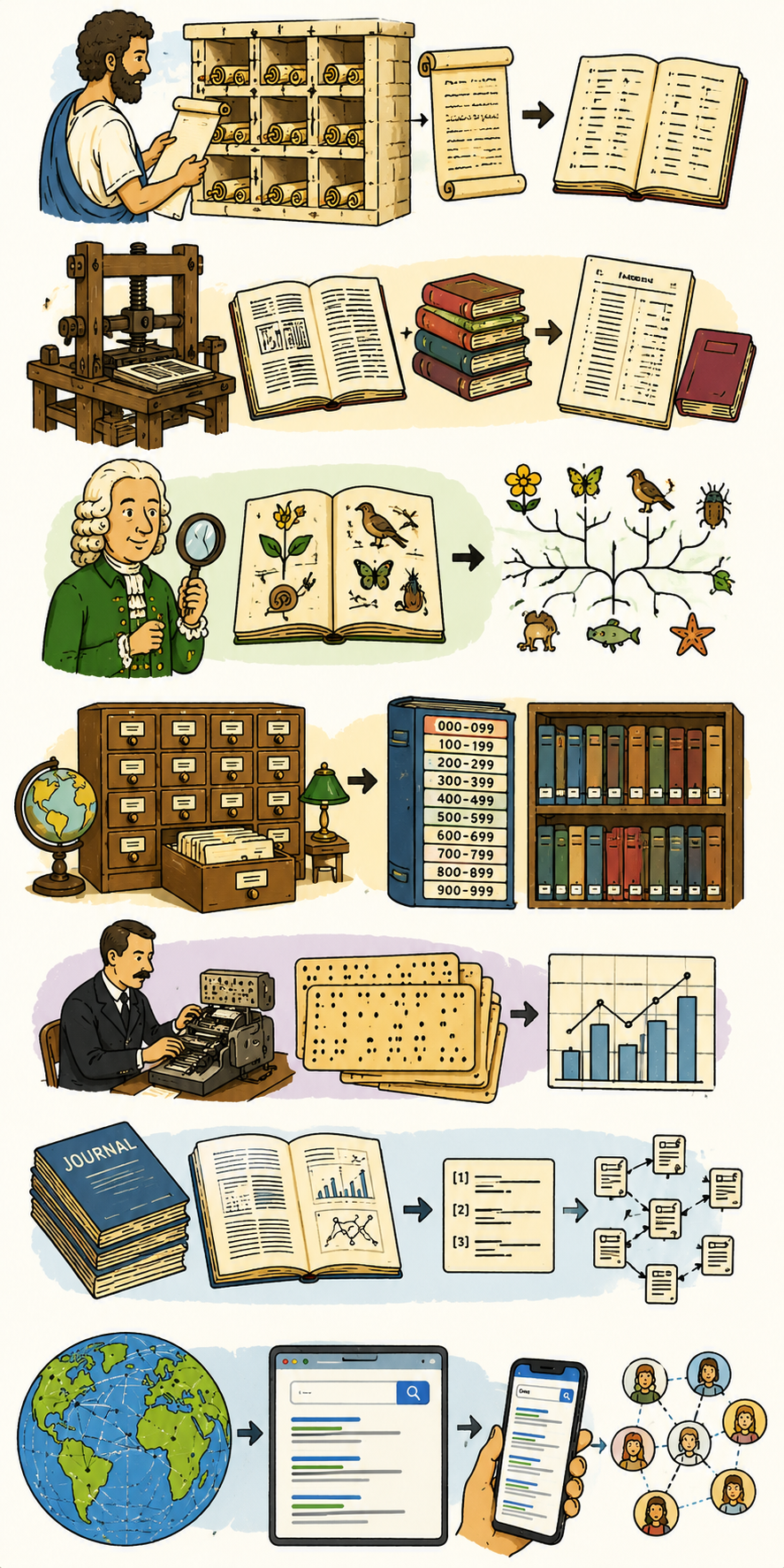
Information Explosions in the Past
- The pattern: when knowledge becomes too large to hold using previous methods, something has to change.
- Stephanos of Byzantium → the Ethnika
- Alphabetical ordering makes encyclopaedic material searchable.
- Printing press → indexes and bibliographies
- More books require better tools for finding what is inside them.
- Linnaeus → taxonomy
- Classification makes large collections of living things usable.
- Dewey, catalogues, librarianship
- Hierarchies of knowledge: what you'll find where.
- The web → search engines
- Ranking and retrieval become the interface to too much information.
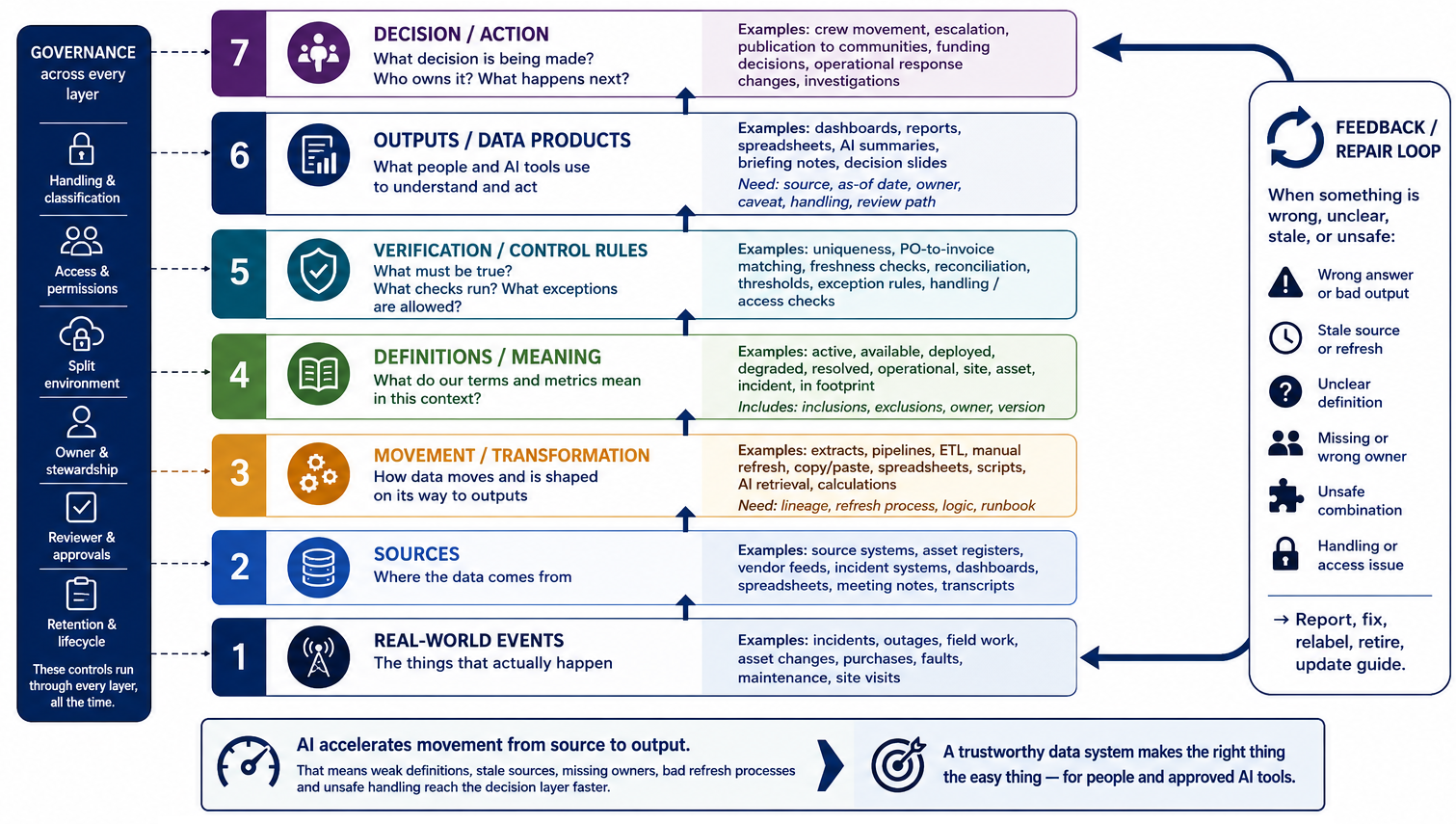
AI Speed Exposes Data-System Gaps
- At human speed, weak systems create inconvenience
- Stale definitions, missing owners and unclear sources cost time and cause occasional mistakes.
- At AI speed, weak systems create confident, scalable error
- The same gaps now produce fluent, plausible answers at volume — and pass them on as fact.
- AI removes the friction that used to slow things down
- Finding, summarising, drafting and spreading information all happen faster than human review can keep up.
- The data system now has to be visible, not assumed
- Source, owner, freshness, definition, handling, review and exception rules need to be explicit and accessible.
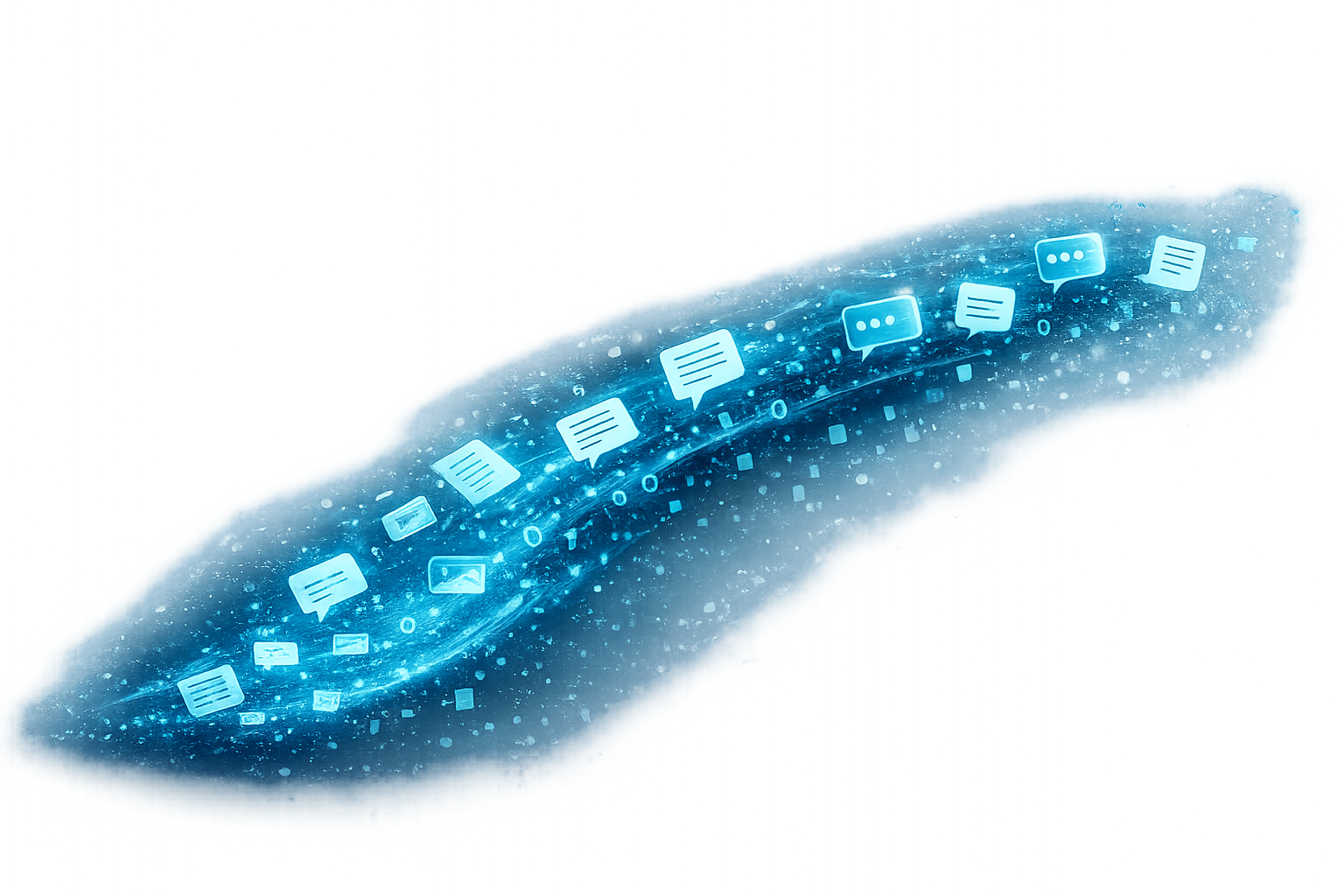
Is Alcatel-Lucent equipment more reliable than Cisco?(completely fake numbers)
- Nokia (ex-Alcatel-Lucent)
- Cisco
- Mean
- n = 10
- n = 8
- MTBF (hours) sampled from incident records.